
Some of the key ideas we explored:
- Explicit teaching of reading is important at all levels
- Summary, main ideas, evaluate, justify, connections, synthesising
- Must be teaching reading across the curriculum
- Becoming a proficient reader means decoding, self monitoring, critical thinking, evaluating
- Self monitoring means knowing what words mean, decoding and making meaning
- It is not ok to not understand
- Give a picture of the word to help students make connections and move to making meaning not simply decoding without understanding
- Think, talk, elaborate
- We read to students to:
- Encourage opportunities to focus and notice vocab, language or key points
- Gift the time to think about the complexities of a text - comprehension
- Modelling think alouds - what fluent reader do to make meaning
- Develop a passion for reading
- Give information
- How words join together

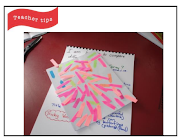
(Images from The Literacy Place presentation)
- Introduce 'tricky words'
- Encourage students to use sticky arrows to find the example or evidence or identify tricky words
- Introduce post its as ‘stoppers’ to avoid reading ahead in guided sessions
- Y7/8 need attention to prefix and suffix - use white boards to add suffixes and prefixes to build words from a root word (find these in the comp. book)
- Think/pair/share...think/pair/record
- Shared Reading:
- Teacher models reading but students must be able to see the text (words)
- Exposes students to a variety of texts (their reading diet is limited due to skill level being limited)
- Encourage students to build on from each other's ideas by saying “I’d like to add to that because...”


No comments:
Post a Comment